

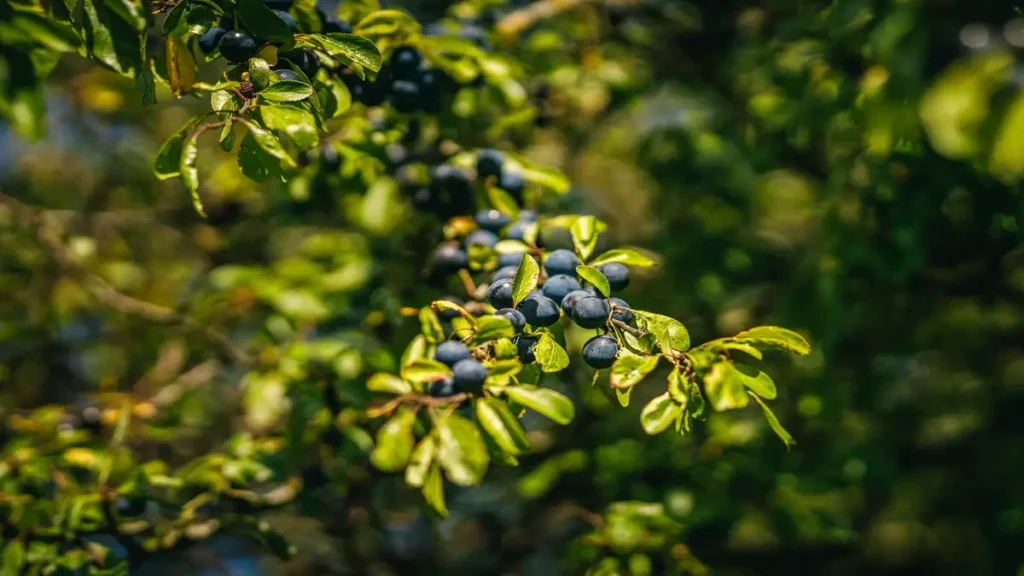
Foraging for wild edibles in Ontario’s lush forests is like stepping into a natural grocery store, where vibrant berries, earthy mushrooms, and fragrant herbs await those willing to explore. This beginner’s guide will walk you through the essentials of foraging safely and sustainably in Canada’s wilderness, focusing on mushrooms, berries, and other edible treasures. Whether you’re a curious foodie or an outdoor enthusiast, foraging offers a rewarding way to connect with nature while discovering delicious, free ingredients.
Why Forage in Ontario?
Ontario’s diverse ecosystems, from the boreal forests of the north to the Carolinian woodlands of the south, provide a rich playground for foragers. The province’s varied climate and terrain support an abundance of wild edibles, including juicy wild blueberries, delicate chanterelle mushrooms, and nutrient-packed stinging nettles. Foraging not only deepens your appreciation for the land but also allows you to enjoy fresh, organic foods that can’t be found in any supermarket.
For beginners, the key to successful foraging is preparation, respect for nature, and a commitment to safety. Let’s dive into the essentials to get you started.
Getting Started: Foraging Basics
Before you head into the woods, here are some foundational tips to ensure a safe and enjoyable foraging experience:
- Learn the Landscape: Ontario’s forests vary by region. The Algonquin Park area is known for its coniferous forests teeming with mushrooms, while southern Ontario’s deciduous woodlands are prime for berries and nuts. Research your local ecosystem to know what grows where.
- Invest in a Good Field Guide: A reliable field guide, such as Mushrooms of Ontario and Eastern Canada by George Barron or Edible Wild Plants by Thomas Elias and Peter Dykeman, is your best friend. These books provide detailed descriptions and photos to help identify edibles.
- Join a Foraging Group: Connecting with local foragers through workshops or groups like the Ontario Mycological Society can accelerate your learning. Experienced foragers can teach you to spot safe species and avoid toxic look-alikes.
- Pack the Right Gear: Bring a basket or cloth bag for collecting (avoid plastic to prevent spoilage), a small knife for harvesting, and a notebook to record findings. A GPS or map is crucial for navigating unfamiliar areas.
- Respect the Land: Follow the “leave no trace” principle. Harvest only what you need, avoid damaging plants, and steer clear of protected areas or private property without permission.
Foraging for Mushrooms: A Delicate Art
Mushrooms are a forager’s prize, but they require extra caution due to the risk of toxic species. Ontario is home to delicious varieties like chanterelles, morels, and oyster mushrooms, but identification is critical.
Popular Edible Mushrooms in Ontario
- Chanterelles (Cantharellus cibarius): These golden, trumpet-shaped mushrooms have a fruity, apricot-like aroma and grow in grassy areas or near conifers. Look for their wavy caps and false gills (ridges instead of true gills).
- Morels (Morchella spp.): With their honeycomb-like caps, morels are a springtime favorite found near ash, elm, or apple trees. They’re nutty and meaty but must be cooked thoroughly.
- Oyster Mushrooms (Pleurotus ostreatus): These fan-shaped fungi grow on decaying hardwood logs and have a mild, anise-like flavor. They’re often found in late summer or fall.
Mushroom Foraging Tips
- Avoid Look-Alikes: Many edible mushrooms have toxic twins. For example, the deadly Amanita virosa (destroying angel) resembles some edible species. Always cross-reference multiple features like cap shape, gill structure, and spore print color.
- Use a Spore Print: To confirm a mushroom’s identity, place the cap gill-side down on white paper for a few hours. The spore print color (white, pink, brown, etc.) is a key identification tool.
- Cook Thoroughly: Even edible mushrooms can cause upset stomachs if eaten raw. Sauté or roast them to enhance flavor and ensure safety.
- Start Small: Try one new species at a time and consume only a small portion to test for personal sensitivities.
Foraging for Berries: Nature’s Sweet Treats
Ontario’s forests burst with wild berries in summer and early fall, offering a sweet reward for foragers. From tart wild raspberries to antioxidant-rich blueberries, berries are easier to identify than mushrooms but still require care.
Common Edible Berries in Ontario
- Wild Blueberries (Vaccinium angustifolium): Smaller and more flavorful than cultivated varieties, these berries grow in sunny, rocky areas like the Canadian Shield. They ripen in July and August.
- Wild Raspberries (Rubus idaeus): Found in clearings and along forest edges, these red or black berries are juicy and slightly tart. Watch for prickly stems.
- Serviceberries (Amelanchier spp.): Also called saskatoon berries, these purple-red fruits taste like a mix of blueberries and almonds. They grow on shrubs or small trees in early summer.
Berry Foraging Tips
- Check for Ripeness: Ripe berries should come off the plant easily and have vibrant color. Unripe berries can be bitter or mildly toxic.
- Beware of Toxic Berries: Avoid white or green berries, as many are poisonous (e.g., baneberry or nightshade). Always confirm identification with a guidebook.
- Harvest Gently: Use your fingers to pick berries without crushing them. Store in a shallow container to avoid squashing.
- Clean Thoroughly: Rinse berries in cold water to remove dirt or insects, but do so just before eating to prevent spoilage.
Other Wild Edibles to Explore
Beyond mushrooms and berries, Ontario’s forests offer a variety of edible plants and herbs:
- Stinging Nettles (Urtica dioica): These nutrient-packed greens are found in moist, shaded areas. Wear gloves to harvest, as they sting when raw. Cooking or drying neutralizes the sting, revealing a spinach-like flavor.
- Wild Leeks (Allium tricoccum): Also called ramps, these onion-like plants grow in rich, forested areas in spring. Harvest sustainably by taking only a few leaves or bulbs per patch.
- Dandelion (Taraxacum officinale): Every part of this common plant is edible. Young leaves are great in salads, roots can be roasted for a coffee-like drink, and flowers add a sweet touch to desserts.
Tips for Foraging Plants
- Know the Seasons: Different plants are available at different times. Wild leeks peak in spring, while nettles are best harvested in early summer.
- Avoid Contaminated Areas: Don’t forage near roads, industrial sites, or areas sprayed with pesticides, as plants can absorb toxins.
- Taste Test Safely: If trying a new plant, rub a small piece on your skin or lips first to check for allergic reactions before consuming.
Safety First: Avoiding Risks
Foraging is exciting, but it comes with risks. Here’s how to stay safe:
- Never Eat Unknowns: If you’re unsure about a plant or mushroom, don’t eat it. When in doubt, consult an expert or guidebook.
- Learn Poisonous Species: Familiarize yourself with toxic plants like poison ivy, giant hogweed, and deadly mushrooms like the death cap (Amanita phalloides).
- Check Regulations: Some areas, like provincial parks, have restrictions on foraging. Always check local laws to avoid fines.
- Watch for Wildlife: Ontario’s forests are home to bears, moose, and other animals. Make noise while foraging to avoid surprising wildlife.
Also check:
- Nanaimo Bars: The Sweet History of Canada’s Favorite Dessert
- Mastering the Art of Poutine, Quebec’s Iconic Dish Done Right
Sustainable Foraging Practices
To protect Ontario’s ecosystems, follow these sustainable practices:
- Harvest Sparingly: Take only what you need and leave enough for wildlife and future growth. For example, pick no more than 10% of a berry patch.
- Don’t Overharvest Rarities: Species like wild leeks are vulnerable to overharvesting. Cut leaves instead of pulling bulbs to allow regrowth.
- Spread Seeds: If you’re foraging berries, scatter some seeds in the area to help plants regenerate.
- Support Conservation: Join or donate to organizations like the Nature Conservancy of Canada to protect foraging habitats.
Turning Your Harvest into Meals
Once you’ve gathered your wild edibles, it’s time to enjoy them! Here are a few simple ideas:
- Chanterelle Sauté: Sauté chanterelles with butter, garlic, and thyme for a rich side dish.
- Wild Berry Jam: Simmer wild blueberries or raspberries with sugar and lemon juice for a homemade jam.
- Nettle Soup: Blend cooked nettles with potatoes, onions, and broth for a creamy, nutritious soup.
Always store foraged goods properly—refrigerate berries and mushrooms, and dry herbs or nettles for longer shelf life.
Final Thoughts
Foraging in Ontario is a delightful way to explore the province’s natural beauty while savoring unique flavors. By starting with easy-to-identify edibles like blueberries and chanterelles, learning from experts, and prioritizing safety and sustainability, you’ll soon be foraging with confidence. So grab a basket, head into the forest, and let Ontario’s wild edibles awaken your senses!
Resources for Further Learning:
- Ontario Nature (ontarionature.org)
- Foraging workshops through local community centers
- Apps like iNaturalist for plant and mushroom identification
Happy foraging, and may your adventures in Ontario’s forests be bountiful and safe!