

Nestled on the rugged eastern shore of St. Margarets Bay in Nova Scotia, Peggy’s Cove is more than just a postcard-perfect village. It’s a living testament to the hardy souls who have battled the Atlantic for generations. With its iconic lighthouse perched on granite boulders and colorful fishing shacks dotting the landscape, this tiny community of about 35 year-round residents clings to traditions that are fading in the face of modern challenges. Here, the last traditional fishermen eke out a living from the sea, their lives a blend of resilience, routine, and quiet reflection.
A Village Born from the Sea
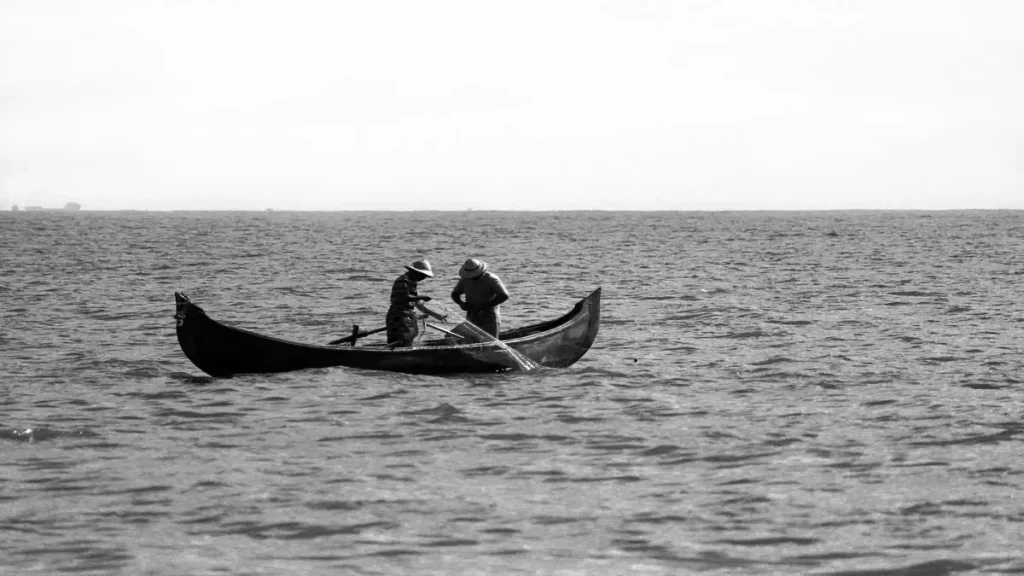
Peggy’s Cove traces its roots back to the early 1800s, when six fishermen and their families were granted 800 acres of land by the government. They built homes along a narrow inlet, drawn by the bountiful waters teeming with cod, mackerel, and lobster. The name “Peggy’s Cove” remains a mystery—some say it honors a shipwreck survivor named Peggy, others link it to the bay’s shape resembling Saint Margaret. What’s clear is that fishing has always been the heartbeat of this place. By the mid-20th century, locals were mending nets and setting traps, as captured in vintage photos from the 1950s. Today, the population hovers around 30, with most residents still tied to lobster fishing, a seasonal pursuit that demands skill and grit.
Dawn Patrol: A Day in the Life
Imagine waking before sunrise to the salty tang of the ocean air. For fishermen like those in Peggy’s Cove, the day starts early. They load their small boats—often no more than 40 feet long—with traps baited for lobster, the village’s primary catch. As the first light hits the waves, they navigate the treacherous rocks that have claimed countless vessels over the years. “It’s not just a job; it’s a way of life,” one local might say, echoing the sentiment of generations who’ve relied on the sea for sustenance.
By midday, the boats return laden with crimson-shelled crustaceans. The haul is sorted in weathered sheds, like the historic York Manuel Fish Shed, a central hub in the village. Families pitch in—wives and children once helped mend nets, though now fewer young people stay. Evenings bring repairs: fixing gear, sharing stories over fresh seafood, or simply watching the sunset paint the lighthouse red. In winter, when the lobster season pauses, some turn to odd jobs or tourism-related work, but the rhythm of the tides never truly stops.
Facing the Storms: Challenges and Changes
Traditional fishing in Peggy’s Cove isn’t what it used to be. The 1992 cod moratorium devastated Nova Scotia’s fisheries, putting thousands out of work and forcing many to leave rural coastal areas. Lobster remains viable, but climate change brings warmer waters, invasive species, and unpredictable storms. Tourism, while a boon—attracting up to a million visitors annually—adds pressure. Buses clog narrow roads, and the once-quiet cove buzzes with selfie-takers. Fishermen are unfailingly polite, but the influx disrupts their solitude. “We’re getting left behind,” one might lament, feeling the heritage overshadowed by commercial interests.
Yet, resilience shines through. In 1998, when Swissair Flight 111 crashed nearby, local fishermen were first responders, pulling survivors and debris from the water in a heroic effort that inspired films and stories. More recently, they’ve aided in rescues on the Grand Banks, proving their skills extend beyond the catch.
Also check:
Carved in Stone: The Fishermen’s Monument
No symbol captures the spirit of Peggy’s Cove fishermen better than the Fishermen’s Monument. Carved by Finnish-born artist William E. deGarthe starting in 1977 at age 70, this 100-foot granite sculpture depicts 32 fishermen, their wives, and children enveloped by the wings of St. Elmo, the patron saint of sailors. DeGarthe intended it as a “lasting monument to Nova Scotian fishermen,” but he passed away in 1983, leaving it unfinished. Today, it stands as a poignant reminder of lives lost to the sea and the enduring bond between community and ocean.
Profiles of the Last Guardians
Meet fictionalized composites based on real traditions: Captain Harlan Garrish, a 65-year veteran, rises at 4 a.m. to check his 300 traps. “The sea gives and takes,” he says, recalling storms that swallowed friends. Young apprentice Mia Thompson, one of the few under 30, balances fishing with eco-tour guiding, fighting to preserve lobster stocks amid regulations. Elder Silas Jewers, retired but ever-present, shares tales of the 1950s net-mending days, when the cove was purely a working harbor. These lives weave a tapestry of hardship and harmony, where every wave tells a story.
The Horizon Ahead
As Peggy’s Cove evolves, the last fishermen stand as guardians of a vanishing era. Tourism sustains the economy, but at what cost to tradition? Sustainable practices and community efforts aim to protect the lobster fishery, ensuring that future generations might still hear the creak of boats at dawn. In this iconic village, the sea’s call endures—a Nova Scotia story of perseverance against the tide.


