

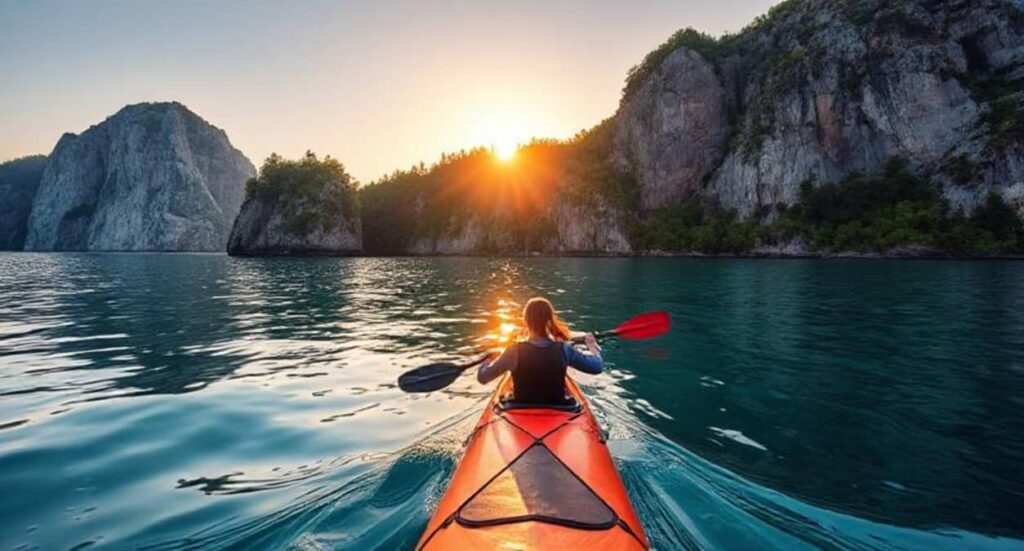
Kayaking in the Great Lakes offers an exhilarating experience for both beginners and seasoned paddlers. With breathtaking shorelines, diverse wildlife, and vast open waters, this adventure is unlike any other. However, before you embark on your kayaking journey, there are several crucial factors to consider. This guide will cover safety tips, best kayaking spots, necessary gear, and expert recommendations to help you make the most of your trip.
Why Kayak in the Great Lakes?
The Great Lakes—Superior, Michigan, Huron, Erie, and Ontario—are among the largest freshwater lakes in the world, providing endless opportunities for exploration. Kayakers can enjoy:
- Scenic Shorelines – From rugged cliffs to sandy beaches, the Great Lakes offer diverse landscapes.
- Wildlife Encounters – Spot bald eagles, otters, fish, and even shipwrecks beneath the water.
- Varied Difficulty Levels – Whether you prefer calm bays or challenging open-water paddling, there’s a spot for every skill level.
- Historical Sites – Paddle near lighthouses, old shipwrecks, and charming coastal towns.
Best Kayaking Spots in the Great Lakes
Each of the Great Lakes offers unique experiences for kayakers. Here are some must-visit locations:
1. Lake Superior – Apostle Islands, Wisconsin
- Known for its sea caves, crystal-clear waters, and remote islands.
- Best for intermediate to advanced paddlers due to strong winds and waves.
2. Lake Michigan – Sleeping Bear Dunes, Michigan
- Famous for its towering sand dunes and scenic shoreline.
- Suitable for all skill levels, with calm waters in the summer.
3. Lake Huron – Georgian Bay, Ontario
- Offers over 30,000 islands and pristine waters.
- Great for island hopping and multi-day kayaking trips.
4. Lake Erie – Pelee Island, Ontario
- Shallow and warmer waters make it ideal for beginners.
- Rich in birdlife and historical significance.
5. Lake Ontario – Toronto Islands, Ontario
- Provides a mix of urban views and peaceful nature escapes.
- A great option for beginners and those looking for a quick paddling trip.
Essential Kayaking Gear for the Great Lakes
Packing the right gear is crucial for safety and comfort. Here’s what you’ll need:
Safety Gear
- Personal Flotation Device (PFD) – Required by law in many areas.
- Bilge Pump & Sponge – Helps remove water from the kayak.
- Spray Skirt – Essential for handling rough waters.
- First-Aid Kit – Includes bandages, antiseptic, and emergency contacts.
- Whistle & Signaling Device – Important for alerting other boaters.
Navigation & Communication
- Waterproof Map/GPS – Helps you stay on course.
- VHF Radio or Waterproof Phone Case – Essential for emergencies.
- Compass – A backup in case of GPS failure.
Clothing & Protection
- Dry Suit/Wetsuit – Important for colder waters.
- Sun Protection – Sunglasses, sunscreen, and a hat.
- Water Shoes – Provides grip on slippery rocks.
Additional Essentials
- Food & Water – Pack high-energy snacks and enough drinking water.
- Dry Bags – Keeps belongings safe from water damage.
- Headlamp/Flashlight – Useful for paddling at dusk or in caves.
Safety Tips for Kayaking in the Great Lakes
Due to the vast and unpredictable nature of the Great Lakes, safety should always be a top priority:
- Check Weather Conditions – Strong winds and sudden storms are common.
- Know Your Limits – Stick to your skill level and avoid risky areas.
- File a Float Plan – Let someone know your route and expected return time.
- Stay Close to Shore – Avoid open water unless you have advanced experience.
- Dress for the Water Temperature – Hypothermia is a real risk, even in summer.
- Be Aware of Boat Traffic – Stay visible with bright clothing and reflective gear.
- Learn Rescue Techniques – Practice self-rescue and assisted rescue methods.
Best Time to Kayak in the Great Lakes
The best time to kayak in the Great Lakes is from late spring to early fall (May–September) when temperatures are warmer, and the water is calmer. However, always check local weather conditions before heading out.
Conclusion
Kayaking in the Great Lakes is a thrilling and rewarding experience, offering stunning landscapes, abundant wildlife, and exciting challenges. Whether you’re a beginner looking for a calm paddling route or an experienced kayaker seeking an adventurous expedition, the Great Lakes have something for everyone. By following safety guidelines, using proper gear, and choosing the right location, you can enjoy an unforgettable kayaking adventure.

